


Halong Bay – the pearl of Vietnam
Ha Long Bay (Vietnamese: Vịnh Hạ Long) is an inlet located in the Gulf of Tonkin, in Vietnamese territory. It is part of Quang Ninh province and comprises approximately 2,000 limestone islets with numerous karst caves. The bay is located 164 km east of the capital, Hanoi, not far from the border with China. In the Vietnamese language, the term “Hạ Long” means “where the dragon descends into the sea.”
“The enchanting Halong Bay was designated a World Heritage site in 1994: a recognition due to one of the most surprising natural wonders in the world” – National Geographic Traveler.”
The best time to travel
Halong Bay is part of the Gulf of Tonkin – where there are four distinct seasons, with winter and summer being the most notable. In winter (from November to March of the following year) it is cold, and in summer (from April to October) it is very hot. Thanks to this clear climatic division, Halong Bay remains an attractive tourist destination in every season. However, it is best not to go there in mid-November because there are sometimes whirlwinds and storms.
How to get there and get around?
To reach Halong Bay from Hanoi, there are several means of transport to choose from.
How to get there?
Bus/Coach
The first recommended means of transport to get to Halong Bay is the bus. The bus is very convenient. With the 155-kilometer Hanoi-Halong itinerary, it takes about 3-3.5 hours. Traveling independently, tourists can choose a high-quality agency at My Dinh or Gia Lam station with a cost of approximately $10-15.
Hanoi-Halong Train
You can go by tourist train via the Halong Express agency, which departs from Gia Lam station at 07:05 AM; it takes 5 hours to reach Halong Bay. The cost of a one-way ticket is $15 USD for foreigners.
Seaplane
In addition to common means of transport, there is now another new option to choose from: the modern and luxurious seaplane by Hai Au Aviation.

The seaplane has two seats for the pilots and twelve seats for tourists, with large windows. This means of transport not only saves time for tourists but also offers convenience, as travelers can admire splendid views from the seaplane and capture wonderful memories of Halong Bay from altitudes ranging from 150 to 3,000 meters above sea level.
How to get around Halong Bay?
With its magnificent and unique landscape, the bay has become one of the most beloved tourist destinations for all travelers to Vietnam. The best way to explore the bay is to rent a boat—the only vehicle capable of moving easily through the expanse of limestone islets, which are dotted with caves carved by the millennial action of wind and waves and illuminated by colorful reflections of light.
Halong Bay has 3 ports from which various junks depart for sightseeing tours lasting from one to four days. To reach the bay, it takes 4 hours by car from the capital city of Hanoi or Hanoi International Airport, and 1.5 hours from Cat Bi Airport – Hai Phong. Almost all travelers choose Halong Bay as the second stop of their trip immediately after the capital, Hanoi. Therefore, many cruise companies offer shuttle services from Hanoi to the bay, departing early in the morning to arrive at the bay around midday. For this reason, all cruises start around 12:30 PM and end around 11:00 AM to accommodate another group starting a new cruise.
Visiting the bay on a cruise has become a very popular activity for all tourists in Vietnam. There are many junk companies offering different trips across various price ranges to choose from.
To move around Halong City, on the other hand, you can choose a taxi or rent a scooter for a more independent experience. Additionally, when visiting the bay, tourists can rent a boat at the port. Tourists buy sightseeing tickets and then rent a boat; the rental cost is $5-7 per person. When traveling with family, visitors should rent a private boat at a price ranging from $25-$85 for a 4 to 6-hour visit (during the peak tourist season from May to August, the price may be higher).
What to visit in Halong Bay?
Bai Chay Beach – an attractive tourist destination in Halong
When visiting Halong Bay, you cannot miss Bai Chay Beach, where the waters are blue and cool. Bai Chay is actually a diamond-shaped island with a length of 6 kilometers; it is a beautiful and spacious artificial beach located very close to Halong Bay. The beach features a stretch of sand 500 meters long and 100 meters wide. Bai Chay Beach is becoming a wonderful tourist destination in Halong, with beaches interspersed between villa areas of diverse, luxurious architecture, alongside a water puppet theater, traditional songs, and interesting games.
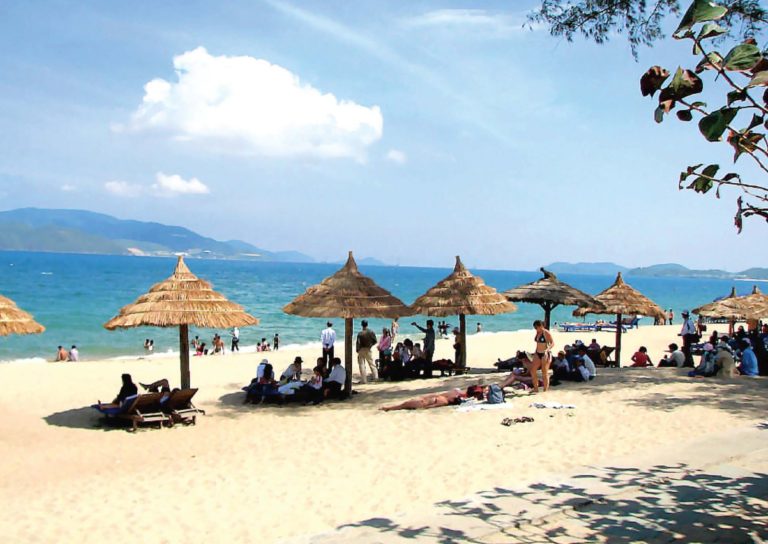
Being close to Halong Bay, it offers numerous affordable hotels and various restaurants along the streets and in entertainment centers that serve 24/7. A trip to Bai Chay beach, with its fresh air and pure blue sea, is perfect for tourism and resort stays.
Co To Island
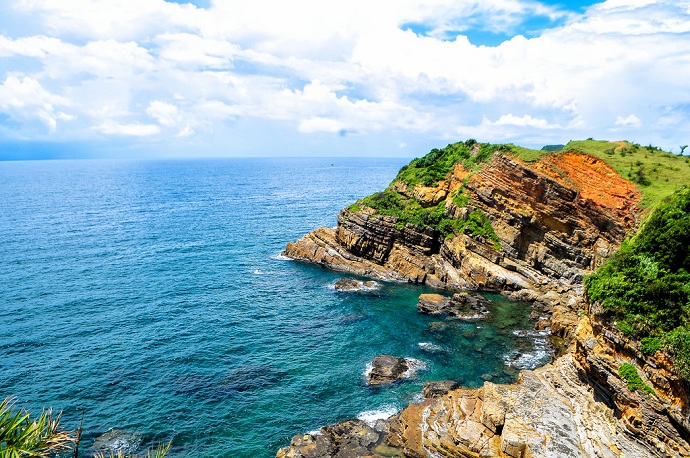
This is one of the most wonderful islands in the Gulf of Tonkin and one of the attractive tourist destinations of Halong, known for its deserted and imaginative beauty. With an area of 47.3 square kilometers, Co To Island is famous for its more than 50 islets, rocks, and cool blue beaches. The simple natural scenery creates an ideal place for sunbathing and summer resorts. Upon arriving in Co To, you should visit Van Chay beach, which features shallow waters and a peaceful, charming panorama. Co To Island has two very clean beaches suitable for picnics. Hong Van beach has the calmest and cleanest waters in Co To. The highlights of Co To include watching the morning sunrise over the island and trying the local specialties.
Tuan Chau Island
This island is located about 2 kilometers from Halong City. Covering an area of 220 hectares, it is unique among the regional islands as it consists of soil and schist. This island deserves its reputation as a perfect travel destination, featuring long white beaches along with blue sea surrounding green pine hills and fresh air.
Furthermore, Tuan Chau Island houses unique modern entertainment clubs alongside restaurants with distinctive architecture and specialties. With beach sports activities, water music shows, and diverse services, this island is becoming the “Pearl Island” of Halong.
Cai Bau Pagoda – A Well-Known Tourist Destination in Halong
With its special location facing the sea, Cai Bau Pagoda (also known as Truc Lam Giac Tam Pagoda, in Van Don district) has become an attractive destination for tourists. Amidst a crowded city like Halong, visitors can feel peace, sanctity, and freshness upon arriving at the pagoda. By visiting Cai Bau, one can admire its beauty, offer prayers, and even try free vegetarian dishes.
Luon Cave
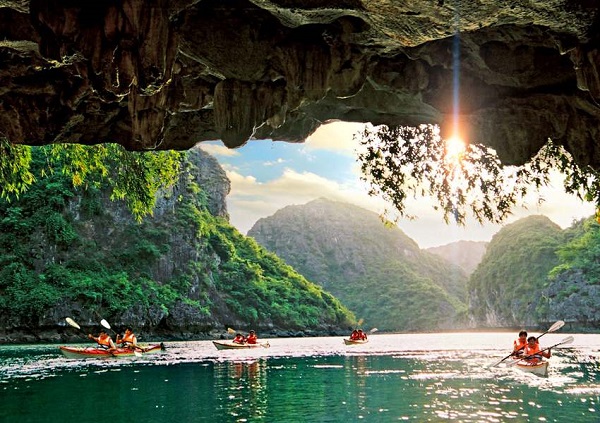
Halong has a very vast system of caves; each cave has its own beauty and history. One of the notable caves is Luon Cave, located on Bo Hon Island, about 14 kilometers from Bai Chay beach. Here, you can observe stalactites formed over millions of years, in various shapes and sizes. In front of the cave lies Ga Choi (Fighting Cock) Islet, and to the right is the “Heaven’s Gate.”
Sung Sot Cave (Surprise Cave)
It is located at the center of the Halong Bay World Heritage site, on Bo Hon Island. Inside the cave, there are fossilized stalactites in various shapes. Sung Sot Cave is situated in an area that concentrates many well-known tourist sights of Halong, including: Ti Top Beach, Bo Nau Cave, Me Cung Cave, Luon Cave, and Sung Sot Cave itself. the cave was named by the French as “Grotte des surprises” (Surprise Cave).

Yen Tu Relic Site
Visiting Halong doesn’t only mean going to the sea. If you prefer visiting pagodas, you can explore the Yen Tu area. It consists of a system of pagodas, small temples, towers, and ancient forests along with natural species. All of these are spread from the Doc Do (Red Slope) up the Yen Tu mountain according to the altitude.

Historical Heritage in Halong Tran Quoc Nghien Temple, Quang Ninh Museum, Bai Tho Mountain, etc., are all historical sites visited by many tourists.

Bai Tho Mountain
What to eat in Halong?
Traveling to Halong specifically, and Quang Ninh in general, doesn’t just mean observing beautiful sights, but also trying the specialties that carry unique maritime flavors. Below are the specialties that tourists should try:
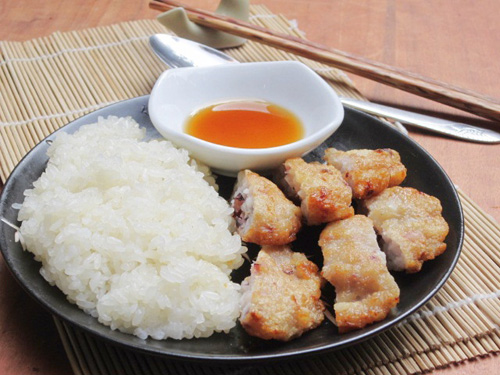
White sticky rice with squid sausage (Xoi trang cha muc)
This is a dish made of sticky rice eaten with fried squid sausage and fish sauce. This dish is very tasty and reasonably priced.
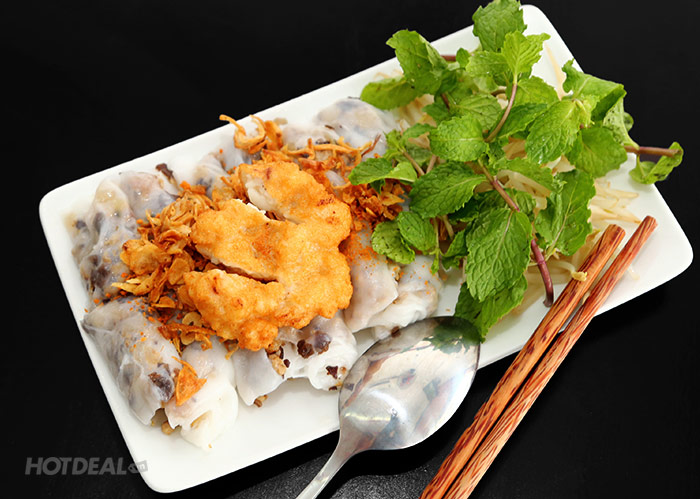
Vietnamese steamed rice rolls with squid sausage (Banh cuon cha muc)
This dish consists of rice rolls filled with minced pork, mushrooms, wood ear mushrooms, and fried shallots, served with squid sausage. All these ingredients create an unforgettable Halong dish.
Ngan dishes
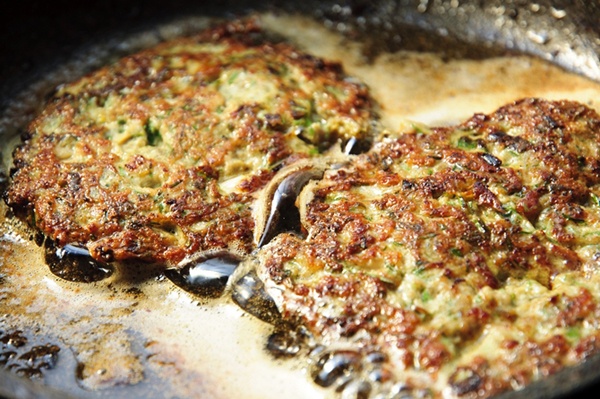
Ngan is a mollusk with two shells, similar to a clam. It can be cooked in various ways: grilled, steamed, or stir-fried with vermicelli or bok choy. It can also be used to make a specialty wine. Ngan wine has a very distinct aroma of the sea. Tourists can buy Ngan wine at the Cai Ram market in the Vuon Dao area.

Sipunculids (Sá Sùng)
Also known as sea worms, this is a type of seafood unique to Halong. Fresh sipunculids stir-fried with vegetables is a very delicious dish. Dried sipunculids can also be grilled or fried. This creature is quite rare, so the cost is very high, nearly $180 per kilo.

Horseshoe Crabs (Sam)
Another Halong specialty is the horseshoe crab – a family of arthropods. Many tasty and unique dishes can be created from horseshoe crabs, such as: horseshoe crab salad (Gỏi), sweet and sour horseshoe crab, horseshoe crab stir-fried with lemongrass and chili, and crispy fried horseshoe crab eggs, etc.
Ca Say of Tien Yen (“Cà sáy”)
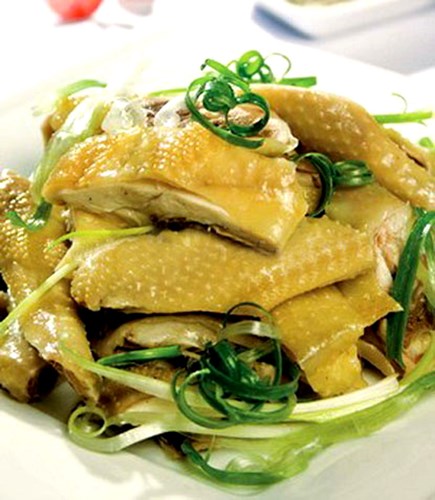
Ca say is a crossbreed between a duck and a goose, carrying the flavors of both. Using the recipes of the inhabitants of Tien Yen province, you can enjoy a very delicious dish made from this animal. Ca say is eaten with a special sauce that combines the flavor of fish sauce from Cai Rong, Van Yen, and Cat Hai, with the sweetness of Guangxi “sarsi” (root beer/syrup) and the spiciness of Tien Yen ginger.
Hoanh Bo Sticky Rice Wine
This wine is made with special local ingredients. Boiled and fermented sticky rice is soaked with yeast gathered from the Hoanh Bo forest. After a period of time, this mixture transforms into wine. This drink has a sweet and sour taste that helps stimulate digestion and is very refreshing, especially in summer.
