


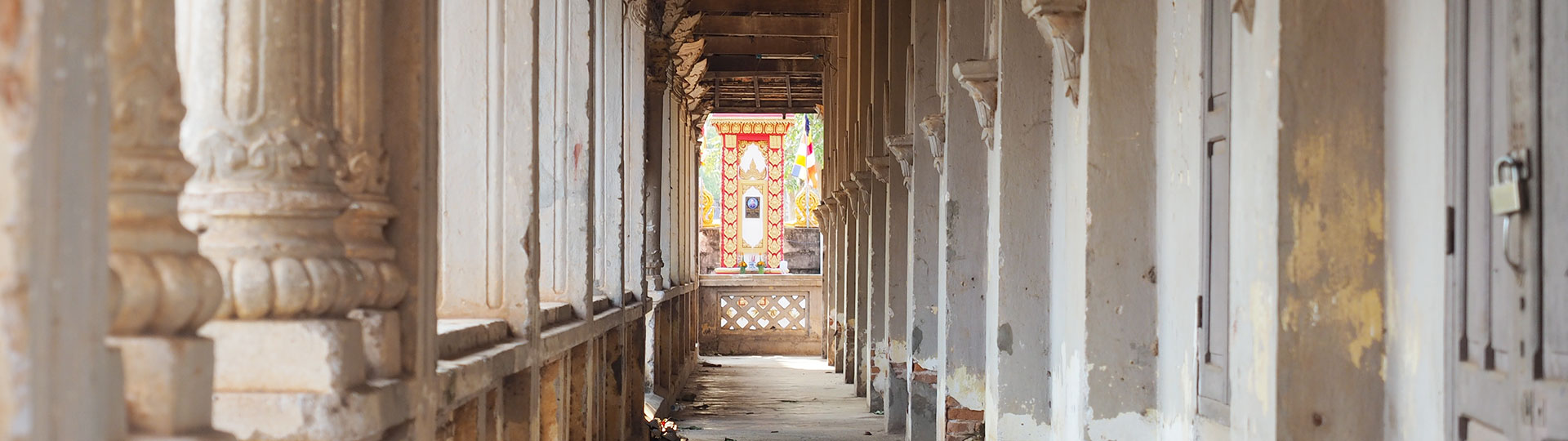
Laos
GENERAL INFORMATION – LAOS
- Official Name: Lao People’s Democratic Republic
- Capital: Vientiane
- Total Area: Approximately 236,800 km²
- Population: Approximately 7.5 million
- Official Language: Lao (Laotian)
- Currency: Lao Kip (LAK)
- Primary Religion: Theravada Buddhism (~65-70%)
- Government: Single-party Socialist Republic
- Borders: China, Myanmar, Thailand, Cambodia, Vietnam
- Climate: Tropical Monsoon Climate:
Dry Season: November – April → Best time to travel ✨
Rainy Season: May – October → Lush green landscapes but potential risk of flooding.
ENTRY DOCUMENTATION
Travel Documents for Entering Laos
Passport
Must be valid for at least 6 months from the date of arrival in Laos.
At least 1-2 blank pages are required for the visa stamp.
Passport-Sized Photos
Recommended size: 4 x 6 cm (or 35 x 45 mm), in color, with a white background, taken within the last 6 months.
Note: If you do not have a photo, you can have one scanned or taken on-site for a fee of approximately 1-2 USD.
Application Form
Complete the Visa on Arrival form or the Arrival/Departure card provided on the plane or available at the immigration desks.
Payment and Fees
The visa fee is approximately 40 USD for most travelers (ranging from 30–45 USD depending on nationality).
Important: Payment is accepted only in cash, preferably in crisp, new, and undamaged US Dollar (USD) bills. While other currencies (THB, VND, LAK) may be accepted at land borders, the exchange rates are usually unfavorable.
An additional 1 USD surcharge applies if arriving before 8:00 AM, after 4:00 PM, on weekends, or during public holidays.
Visa Options
- Visa on Arrival (VOA)
Available at major international airports (Vientiane, Luang Prabang, Pakse, Savannakhet) and selected land border crossings (e.g., Thai-Lao Friendship Bridges, Boten border with China).
❗ Note: An “Approval Letter” is not required for a VOA; it is only necessary for the e-Visa.
- E-Visa (Electronic Visa)
Available online through the official government portal (apply 3–7 working days before travel).
The e-Visa is valid for 60 days from the date of issuance and allows for a single-entry stay of up to 30 days.
You must bring a printed copy of the Approval Letter to present at the border crossing.
Recommended Additional Documents
Return or Onward Ticket: May be requested by immigration authorities.
Hotel Reservation/Proof of Accommodation: Useful and occasionally requested.
Proof of Sufficient Funds: Advisable to have a bank statement or sufficient cash on hand.
KEY SUMMARY
| Item | Details |
| Passport | Valid ≥ 6 months, 1-2 blank pages available |
| Photo | 4×6 cm, white background, recent; on-site service available (1-2 USD) |
| Form | Visa-on-Arrival or Arrival/Departure card |
| Visa Fee | Approx. 40 USD (varies by nationality) |
| Payment | Cash only (USD preferred, crisp bills) |
| Surcharge | +1 USD for arrivals outside office hours or holidays |
| Travel/Hotel Proof | Return ticket + hotel reservation recommended |
| Alternative Option | E-Visa (printed approval letter), apply 3-7 days in advance |
LUGGAGE AND BAGGAGE ALLOWANCE
General Carriage Rules
Each passenger is entitled to a total maximum of 27 kg of luggage, divided between carry-on and checked baggage, as follows:
Carry-on Baggage
Maximum Weight: 7 kg
Maximum Dimensions: 56 x 36 x 23 cm (22 x 14 x 9 inches)
Must be small enough to be stowed in the overhead compartment or under the seat in front of you.
Duty-Free Items: Reasonable quantities of items purchased at duty-free shops (liquor, cigarettes, perfume) are allowed. However, due to international liquid regulations, items may be restricted if not properly sealed in STEB (Security Tamper Evident Bags).
Checked Baggage
Free Allowance: 20 kg per person.
Luggage must be sturdy, clearly identifiable, and compliant with the carrier’s security regulations.
LOST OR DAMAGED BAGGAGE WITH LAOS AIRLINES
If your luggage is lost or damaged during a flight with Laos Airlines, please follow these specific procedures to receive assistance or compensation:
- Immediate Reporting at the Airport
As soon as you notice your luggage is missing or damaged:
Proceed immediately to the Lost & Found Office at the arrival airport.
Complete the PIR (Property Irregularity Report) with the assistance of the staff.
Keep your tracking number to monitor the status of your claim.
❗ Crucial: You must file this report before leaving the arrivals area.
- Required Documentation
To expedite your claim, you will need:
Copy of the air ticket or boarding pass.
Baggage Tag (usually attached to the back of your boarding pass).
Identification document (Passport).
Photos of the damage (if applicable).
Receipts for urgent essential expenses (in case of delayed/lost baggage).
- Lost Baggage
Laos Airlines will attempt to trace missing baggage for 21 days. Once found, it will be delivered to the address you provided.
Compensation: According to the Montreal Convention, the maximum compensation limit for lost baggage is approximately 1,288 SDR (Special Drawing Rights)—roughly €1,500—depending on exchange rates and circumstances.
- Damaged Baggage
If your bag arrives damaged, file the PIR immediately. You may request:
Repair of the suitcase.
Replacement if the damage is beyond repair.
Refund if replacement is not possible.
- Formal Claims
If you were unable to report at the airport, you must submit a formal written claim within:
7 days for damaged baggage.
21 days for delayed or lost baggage.
Claims should be sent via email to Laos Airlines Customer Service or through their official website, attaching all required documentation.
WEATHER AND CLIMATE
Laos has a tropical monsoon climate, characterized by high temperatures year-round and distinct seasonal transitions.
The Three Main Seasons
- Cool Dry Season
From November to February
Climate: Mild and pleasant, especially in the northern and mountainous regions.
Temperatures: 15°C – 28°C (cooler at night, particularly in Luang Prabang or at higher altitudes).
Rainfall: Minimal to none.
Verdict: The peak tourist season and the most comfortable time to travel.
- Hot Season (Pre-monsoon)
From March to mid-May
Climate: Very hot and often humid.
Temperatures: 30°C – 40°C, with higher peaks in certain areas.
Rainfall: Rare, but humidity increases toward May.
Advice: Avoid outdoor activities during the midday sun; cities like Vientiane can feel stifling.
- Rainy Season (Monsoon)
From mid-May to October
Climate: Hot and highly humid.
Rainfall: Frequent and heavy downpours, often as intense afternoon or night thunderstorms.
Temperatures: 26°C – 35°C.
Impact: Unpaved roads may become impassable, especially in rural or mountainous areas.
Travel Recommendations Based on Season
| Period | Pros | Cons |
| Nov – Feb | Dry weather, ideal for trekking and sightseeing | Peak crowds and higher prices |
| Mar – May | Long, sunny days; great for photography | Intense heat, risk of heatstroke |
| Jun – Oct | Lush green landscapes, spectacular waterfalls | Heavy rain, muddy/slippery roads |
Regional Variations
Mountainous Areas: Regions such as Phongsaly or the Bolaven Plateau remain cooler throughout the year.
Central and Southern Plains: Generally hotter and more humid, particularly during the pre-monsoon months.
PACKING GUIDE – LAOS
Clothing and Essentials
| Item | Notes |
| Lightweight T-shirts | Breathable cotton or technical fabrics for humidity |
| Light Long Trousers | Protection from mosquitoes and mandatory for temples |
| Shorts | For casual walks and hot days |
| Long Dresses/Skirts | Perfect for temple visits and local contexts |
| Light Jacket/Sweater | For cool evenings or air-conditioned environments |
| Hat / Bandana | Essential for sun protection |
| Walking Shoes | Comfortable sneakers for city or nature walks |
| Trekking Boots | Recommended if your itinerary includes forest trails |
| Sandals / Flip-flops | Ideal for showers, relaxation, or easy removal at temples |
Personal Care and Hygiene
Sun & Insect Protection: High-SPF sunscreen and mosquito repellent with DEET (essential for rural areas).
Hygiene: Hand sanitizer, wet wipes, and a small roll of toilet paper (not always available in public restrooms).
First Aid Kit: Band-aids, disinfectant, painkillers, and probiotics/anti-diarrheals.
Cultural and Religious Visits
Dress Code: Shoulders and knees must be covered in all religious sites.
Socks: Keep a clean pair in your bag as you must enter temples barefoot.
Scarves: A versatile item for women to cover up quickly.
WEATHER-SPECIFIC ADVICE
Rainy Season (May – October)
Rainfall is often short but intense.
Rainwear: A breathable poncho is often better than a rain jacket in the tropical heat.
Dry Bags: Highly recommended for protecting electronics, cameras, and documents.
Umbrellas: All our tour vehicles are equipped with umbrellas for your convenience.
Sun and Heat Protection
The UV index remains high even on cloudy days.
Hydration: Drink plenty of bottled water even if you don’t feel thirsty. Avoid excessive alcohol or sugar during peak heat (11:00 – 15:00).
Northern Laos (Winter Months)
In mountainous northern regions, temperatures can drop below 10°C at night. Please pack warmer layers and sturdy closed-toe shoes if traveling during this period.
MOSQUITO PROTECTION AND HEALTH
Mosquitoes are most active during the rainy season and in rural/wetland areas.
Regional Risk Levels
| Zone | Mosquito/Health Risks |
| Vientiane | Present; risk of Dengue (No Malaria) |
| Luang Prabang | Widespread; Dengue is common |
| Bolaven / Champasak | Higher Malaria risk in deep rural areas |
| 4000 Islands | High humidity = high mosquito activity |
| Mountainous Zones | Lower risk, but protection still advised |
Prevention Tips
Repellents: Use products containing DEET (20-30%) or Icaridin.
Clothing: Wear light-colored long clothing in the evenings.
Accommodation: Most hotels use air conditioning to deter insects. In homestays, we recommend using provided mosquito nets or travel coils.
VACCINATIONS AND FOOD HYGIENE
Vaccinations
No mandatory vaccinations are required for European travelers.
Our Suggestion: For standard cultural itineraries, specific prophylaxis is generally not necessary. However, this is not medical advice. Please consult a travel clinic at least one month before departure.
Food and Water Safety
To avoid gastrointestinal issues:
Water: Drink only sealed bottled water. Avoid tap water and ice in unverified locations.
Food: Avoid raw or undercooked meat and fish. Stick to peeled fruits and cooked vegetables.
Amo Travel Standard: We select only vetted restaurants with proven hygiene standards for all included meals.
SAFETY AND SECURITY
A Safe and Welcoming Country
Laos is generally a safe country for tourists. The population is remarkably hospitable, crime rates are low, and there are no significant internal conflicts. However, it is important to be aware of specific risks related to health, transportation, and isolated areas.
Our tours are structured to ensure your peace of mind, utilizing professional guides and reliable transportation throughout the journey.
Recommended Conduct
Maintaining a respectful attitude toward the local people and Lao culture is key to a serene experience.
Please avoid:
Unnecessary arguments or confrontations.
Ambiguous venues or unclear situations, especially late at night.
Taking photos of law enforcement, military personnel, or government buildings without explicit permission.
Zero Tolerance Policy
Laotian laws are extremely strict regarding:
Drugs: Possession or trafficking, even in minimal quantities.
Prostitution and sexual exploitation.
Crimes against minors.
These are considered very serious offenses punishable by lengthy prison sentences or, in extreme cases, the death penalty.
Remote Areas and Unexploded Ordnance (UXO)
It is strongly advised not to venture independently into rural or remote areas off the established itinerary without consulting your local guide.
Certain regions, especially along the borders and in mountainous provinces, still contain
Unexploded Ordnance (UXO) and landmines remaining from past conflicts. Always stay on marked paths and follow the instructions of your guide.
CURRENCY AND PAYMENTS
The official currency of Laos is the Lao Kip (LAK). In daily transactions, Thai Baht (THB) and US Dollars (USD) are also widely accepted, particularly in tourist hubs.
Practical Currency Advice
Condition of Bills: It is essential to carry small denominations in excellent condition (especially for USD). Bills that are torn, dirty, or heavily creased are frequently rejected by banks and vendors.
Exchanging Euro: Cash in Euros can be easily exchanged at most banks and authorized money changers.
Money Changers: Currency exchange booths are ubiquitous, especially in Luang Prabang—sometimes even more common than restaurants! Finding a place to exchange cash is rarely an issue in tourist areas.
Credit Cards and ATMs
Card Acceptance: Visa and MasterCard are accepted in upscale hotels and high-end restaurants, primarily in Vientiane and Luang Prabang. Smaller shops and local eateries remain cash-only.
ATM Usage: While ATMs are common, they are not always reliable for foreign cards. Common issues include:
Non-recognition of international cards.
Withdrawal failures despite correct PIN entry.
High transaction fees for international withdrawals.
Trusted Banks: For the most reliable ATM services, travelers are advised to use:
BCEL Bank (Banque pour le Commerce Extérieur Lao).
ANZ Bank.
Both have a well-distributed network of branches in major cities and tourist locations.
Emergency Funds
We recommend carrying a few hundred Euros in cash as an emergency fund. Banks and exchange offices accept Euros readily, providing a safe backup should you encounter issues with your credit cards.
PAYMENT SUMMARY
| Payment Method | Reliability | Where to Use |
| Cash (Kip, USD, Baht) | 🔵 High | Everywhere (Mandatory for small purchases) |
| Visa / MasterCard | 🟡 Medium | High-end hotels and restaurants |
| Local ATMs | 🟡 Variable | Only at trusted banks (BCEL / ANZ) |
| Euro for Exchange | 🔵 High | Banks and authorized money changers |
TIPPING AND GRATUITIES
An Appreciated Gesture, but Not Mandatory
In Laos, tipping is not mandatory, but it is highly appreciated as a gesture of gratitude for good service, particularly within the tourism sector.
The decision to leave a tip is entirely at your discretion, based on your level of satisfaction with the service provided.
Recommended Tipping Guidelines
| Service | Recommended Gratuity |
| Tour Guide (Groups of 2–6) | 8 USD per person / per day |
| Tour Guide (Groups of 6–15) | 5 USD per person / per day |
| Driver | 4 USD per person / per day |
| Porter | 2–3 USD per suitcase |
| Rickshaw / Cyclo | 3 USD per person (if service is satisfactory) |
| International Restaurants | Approx. 10% of the bill (if not already included) |
| Local Eateries | No tip expected; strictly at your discretion |
| Temples / Pagodas | No tip; customary to leave a small donation in the box |
⚠️ Important Note: Porterage fees and gratuities are not included in any Amo Travel packages.
Practical Tips
Small Denominations: Always carry small bills or local currency for tips, donations, or small acts of courtesy.
In Temples: Even a small donation in the offering boxes is a sign of respect toward the local culture and community.
Bars and Cafés: Tipping is not expected, but leaving small change is a kind personal gesture if the service was particularly attentive.
ELECTRICITY AND POWER OUTLETS
Voltage and Frequency
The standard voltage in Laos is 230V with a frequency of 50Hz, which is compatible with most European (including Italian) appliances.
Plug Types
Power outlets are generally compatible with 2-pin plugs (Type C and E/F). Most chargers for smartphones, cameras, and common devices will work without an adapter.
Note: Devices with 3-pin plugs (such as some laptops or grounded power supplies) will require a universal travel adapter.
Practical Advice
Hybrid Outlets: Many accommodations use hybrid sockets that accept both flat (American-style) and round (European-style) pins.
Adapters: Carry a universal adapter if you use Schuko plugs or devices with a third grounding pin.
Power Strips: A lightweight power strip or a multi-port USB charger is highly recommended if you need to charge multiple devices simultaneously, especially in guesthouses with limited outlets.
INTERNET AND CONNECTIVITY
Availability
Internet is widely available throughout Laos, particularly in cities, tourist hubs, and riverside areas. Most hotels, restaurants, cafés, and even many homestays offer free Wi-Fi, usually with decent speeds.
Wi-Fi Connectivity
Urban Areas: Reliable Wi-Fi is standard in Vientiane, Luang Prabang, and Pakse.
Rural Areas: Connection can be unstable or slow in remote or mountainous regions. It may not always be reliable for high-quality video calls or remote work.
Local SIM Cards (Recommended)
Purchasing a local SIM is the most stable and cost-effective way to stay connected.
Major Operators:
Unitel: Best overall coverage, even in remote areas.
Lao Telecom: Good in urban centers and often very affordable.
TPlus (formerly Beeline): Reliable in specific regional pockets.
Estimated Costs:
Prepaid Tourist SIM: 20,000 – 50,000 LAK (approx. $1.00 – $2.00)
Data Packages:
5 GB: ≈ 10,000 – 20,000 LAK ($0.50 – $1.00)
10–15 GB: ≈ 30,000 – 50,000 LAK ($1.50 – $2.50)
Registration requires your passport. You can easily set this up at international airports or official provider stores.
eSIM Options
eSIMs are available through major local operators for compatible smartphones. International providers like Airalo, Nomad, or Holafly are convenient alternatives but are generally more expensive than local SIM cards.
LAO CUISINE AND FOOD SAFETY
Iconic Dishes to Discover
We encourage you to explore the local flavors—an authentic and essential part of your journey. Here are some iconic dishes that are generally safe and delicious when served fresh and well-cooked:
- Larb (Laap): The national dish—a savory salad of minced meat (chicken, pork, or beef) flavored with lime, mint, chili, and toasted rice.
Safety Tip: Ensure the meat is requested “well-cooked,” as it is sometimes served raw in traditional settings. - Khao Piak Sen: A comforting rice noodle soup. The hot, clear broth is safe, easy to digest, and perfect for a light meal.
- Sticky Rice (Khao Niao): Served in traditional bamboo baskets, this steamed glutinous rice is the staple of every Lao meal. It is both nutritious and safe.
- Sai Oua (Lao Sausage): Grilled pork seasoned with aromatic local herbs. Delicious when grilled thoroughly.
- Tam Mak Hoong: Spicy green papaya salad.
Safety Tip: This can contain raw fermented crab. We recommend asking for the version “without raw crab” to avoid stomach sensitivities.
Guidelines for Safe Dining
While street food is part of the charm, please exercise caution by:
Choosing restaurants with a good reputation or those recommended by your guide.
Avoiding raw or undercooked meats, fish, and seafood.
Observing the cleanliness of street stalls and choosing vendors frequented by locals.
MEALS AT HOTELS AND RESTAURANTS
Breakfast
Hotels typically offer buffet breakfasts including:
Continental options: Bread, butter, jam, eggs, fruit, coffee, and tea.
Asian specialties: Rice soup, noodles, and light savory dishes.
Lunch and Dinner
Meals included in your program are usually:
Served as a fixed set menu, primarily featuring local Lao cuisine.
Excluding beverages: Water, soft drinks, and alcohol are available at an additional cost.
Quality Standards
The restaurants selected for your tour maintain high hygiene and quality standards. However, please keep in mind that Asian standards for service and presentation may differ from European expectations, particularly in more remote areas.
MEAL PRICES AND FINE DINING
Estimated Cost per Meal:
15 – 20 USD per person in local restaurants outside major cities.
20 – 25 USD per person in major cities (Luang Prabang, Vientiane, Pakse).
25 – 30+ USD per person in premium restaurants marked with an asterisk (*).
Fine Dining Recommendations
We are delighted to assist you in selecting the finest luxury restaurants to make your experience even more exceptional. For personalized suggestions, please contact us directly:
📞 Phone/WhatsApp: +84 36 7035 265
📧 Email: sale5@amotravel.com
DRINKING WATER
Potable Water in Laos
Avoid Tap Water: Our primary and most important recommendation is to consume only bottled water.
Tap water is not potable, even if boiled, and should be avoided for drinking, brushing teeth, or preparing beverages.
Bottled Water
It is easily available everywhere (supermarkets, hotels, restaurants, and street stalls) at a very low cost.
During your tour, your guide will provide one bottle of water per person per day. However, we recommend carrying a small extra supply, especially during long transfers, excursions, or on particularly hot days.
SHOPPING AND MARKETS
What to Buy
Textiles and Handicrafts
Lao Silk: Hand-woven shawls and scarves, often made in traditional village workshops.
Ethic Embroidery: Intricate hand-stitched textiles from Hmong or Khmu communities.
Home Decor: Blankets, bags, and tablecloths featuring traditional Lao patterns.
Natural and Local Products
Bolaven Coffee & Tea: High-quality Arabica and Robusta beans from the southern highlands.
Lao Spices: Lemongrass, mountain pepper, and local spice blends.
Artisanal Wellness: Essential oils and handmade soaps using local botanical ingredients.
Art and Decor
Woodwork: Sculptures, traditional masks, and handmade musical instruments.
Local Art: Paintings and prints (be cautious of items marketed as “antiques” which may be modern replicas).
Food and Snacks
Khai Paen: Dried river weed from the Mekong, a famous Lao snack.
Note: Enjoy street food locally, but avoid bringing fresh or perishable products across international borders.
⚠️ Ethical Shopping: Avoid purchasing products derived from wildlife or uncertified antiquities. These items carry significant ethical concerns and may be confiscated by customs authorities.
Where to Shop
Luang Prabang – Night Market
When: Daily, 17:00 – 22:00
Best for: High-quality handicrafts, unique art pieces, and a vibrant street food atmosphere.
Vientiane – Talat Sao (Morning Market)
When: Daily, morning to mid-afternoon
Best for: A mix of traditional stalls and modern shops. Great for silver jewelry, clothing, and religious items.
Vang Vieng Market
Best for: An authentic local experience, fresh produce, and local food items.
Village Markets (e.g., Muang Ngoi, Nong Khiaw)
Best for: Buying directly from local artisans and supporting rural communities.
Practical Tips
Bargaining: Negotiating prices is common in markets, but always maintain a polite and friendly attitude.
Quality Check: Inspect the authenticity of materials, especially for stones, precious metals, or “silk.”
Tailoring: Local tailors are efficient and affordable—a great option if you wish to have custom clothing made during your stay.
VALUABLES AND SECURITY
During Transfers
When traveling between hotels or at airports, ensure that you always keep your valuables in your carry-on luggage or on your person. This includes:
Cash and credit cards.
Passports and travel documents.
Electronics (laptops, cameras, tablets).
Jewelry and important personal papers.
Hotel Safety Deposit Boxes
Always utilize the in-room safety deposit boxes provided by your hotel.
These are the most secure locations for storing extra cash, passports, and high-value items.
For exceptionally valuable items, please contact the hotel reception for specific instructions or to use the centrally managed hotel safe.
Daily Precautions
In crowded areas such as markets, busy tourist streets, or on public transportation:
Be mindful of your belongings; avoid using open shoulder bags or keeping wallets in visible pockets.
Carry only the necessary amount of cash for your daily activities.
Keep a small amount of “ready cash” in an easily accessible pocket for quick purchases or tips, so you do not have to open your main wallet in public.
MEDICAL SERVICES AND TRAVEL PHARMACY
Before You Depart
To fully enjoy your journey, it is advisable to be in good physical condition. Consult your primary physician before departure to:
Evaluate your general health status.
Receive personalized advice on necessary medications.
Obtain medical prescriptions that may be required during the trip.
Your Travel Pharmacy – What to Bring
Carry only essential personal-use medications, such as:
Aspirin or analgesics for pain and fever.
Antihistamines (for allergies or rashes).
Anti-diarrheal medication.
Medication for nausea and motion sickness.
Insect repellent and high-protection sunscreen.
Practical Advice: Do not carry excessive medications or drugs intended for others. Laotian authorities strictly monitor the movement of medicines; undeclared or suspicious quantities may be seized at customs.
During the Flight
It is preferable to pack medications in your checked luggage. If you must carry them in your hand luggage, please ensure you have:
A copy of the medical prescription.
A doctor’s statement in English for specialized medications subject to specific controls.
LOCAL HEALTHCARE FACILITIES
General Standards
The public healthcare system in Laos is limited and of a basic standard, especially outside of major cities. Vientiane offers the best options, yet many clinics are not equipped for major emergencies or complex surgeries.
Note: For serious medical issues, most expatriates and travelers seek treatment in Thailand (e.g., Nong Khai or Bangkok).
Recommended Facilities for Foreigners
Vientiane
- French Medical Center (Centre Médical Lao Français)
High quality for local standards with French and English-speaking staff.
Ideal for check-ups, specialist consultations, and minor emergencies.
- Alliance International Medical Centre
A modern clinic with foreign doctors; accepts some international insurances.
- Mahosot Hospital
A public hospital used for tropical diseases, though facilities are very basic.
Luang Prabang
- Luang Prabang International Clinic
A small private facility suitable for minor health issues.
- Provincial Hospital
Very limited services; not recommended for serious emergencies.
EMERGENCIES AND INSURANCE
In Case of Emergency
Ambulances are often slow or unavailable. In many cases, reaching a clinic via taxi or tuk-tuk is faster.
Emergency Number: 1195 (English support is not always guaranteed).
Medical Evacuation
It is strongly recommended to travel with insurance that covers medical evacuation. In critical cases, patients are typically transferred to high-standard hospitals in Udon Thani or Bangkok, Thailand.
Travel Insurance
A comprehensive policy is fundamental and should include:
Emergency medical expenses and surgical procedures.
Hospitalization and medical repatriation.
Insurance is your primary safeguard in areas where access to advanced care can be complex.
CONSULAR CONTACTS IN LAOS
bổ sung
TELEPHONY AND TELECOMMUNICATIONS
Local Calls (Within Laos)
Country Code: +856
Mobile Numbers: Typically begin with the prefix 020.
Local calls made within the same hotel (and same city) are often free of charge; however, please verify this with the reception desk.
International Calls
Outgoing Calls (From Laos to Italy):
Dial: 00 + 39 (Italy country code) + the Italian number.
For landlines: Include the leading 0 of the area code (e.g., 00 39 02 xxxxxx).
For mobile phones: Omit the leading 0 (e.g., 00 39 347 xxxxxx).
Incoming Calls (From Italy to Laos):
Dial: +856 followed by the local number (omit the initial 0).
💡 Pro Tip: Use WhatsApp, Telegram, or Skype via Wi-Fi or mobile data to avoid high international calling rates.
Mobile Services
Network Coverage:
The GSM 900 MHz mobile network provides satisfactory coverage in major cities, tourist hubs, and along primary transport routes. However, in rural or mountainous areas—particularly in the remote northern regions—the signal may be unstable or completely unavailable.
International Roaming:
International roaming is active in Laos but is not included in standard “Roam Like at Home” plans for European carriers.
Italian/European Operators: Laos is classified as an “Extra-EU” zone; roaming charges are significant.
Thai Operators (AIS, TrueMove): Roaming is often very affordable or included for Laos.
We strongly advise checking with your provider for specific international packages before departure.
Local SIM Cards:
Purchasing a local rechargeable SIM card is easy at airports, hotels, and official kiosks.
Primary Operators:
Unitel: Best national coverage, including remote areas. Reliable 4G in cities.
Lao Telecom: Good in urban centers but weaker in rural countrysides.
TPlus (formerly Beeline): Budget-friendly but limited coverage outside cities.
Local SIMs offer:
Inexpensive international calls.
Affordable 3G/4G/5G data plans for maps and messaging.
Practical Tips:
Passport: Required for SIM card purchase and registration.
Device: Ensure your smartphone is unlocked to accept local SIMs.
eSIM: Consider an international eSIM if your device supports it for a seamless digital experience.